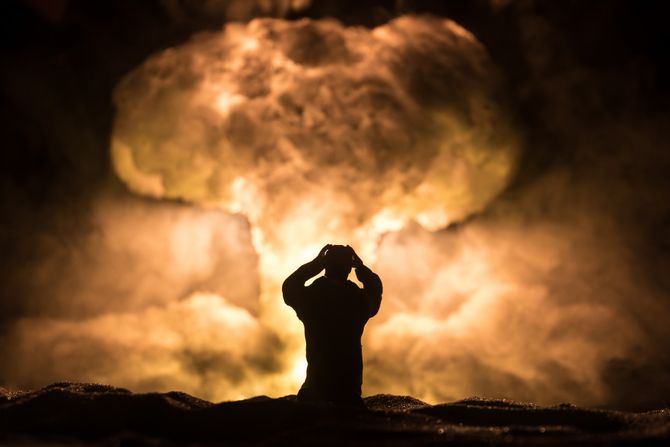
Fear of Nuclear War: The 10-80-10 Rule Reveals Who Might Survive
Fears of a global conflict are rising again, and the topic of nuclear war is becoming increasingly present in public discussions. In this context, experts highlight the 10-80-10 rule nuclear war concept, which explains how people typically react in extreme crisis situations.
CITAJTE I OVO:


According to this rule, populations can be divided into three groups based on their reactions. The first 10% of people respond quickly and rationally, making decisions that significantly improve their chances of survival. These individuals tend to stay calm, think clearly, and act immediately.
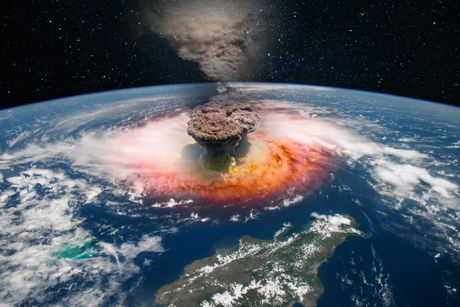
The majority panic or hesitate
The largest group, about 80% of people, reacts more slowly and often with confusion or panic.
They tend to wait for instructions, follow others, or struggle to make decisions under pressure. This delay can be critical in life-threatening situations like a nuclear disaster.
The most vulnerable group
The remaining 10% of people freeze completely and fail to take any action.
Experts say this group faces the highest risk because they are unable to respond even when immediate action is necessary to survive.
How to improve survival chances
Although the idea of nuclear war is frightening, experts emphasize that preparation and awareness can make a major difference.
Staying informed, thinking clearly, and reacting quickly are key factors that can increase survival chances during extreme crises.
Psychology plays a crucial role
The 10-80-10 rule nuclear war model shows that survival is not only about physical strength but also about mental readiness.
Those who remain calm and act decisively are far more likely to survive, making psychological preparedness one of the most important survival tools.